Class Action Lawsuit Settlement Guide: How to Claim Your Recovery in 2026
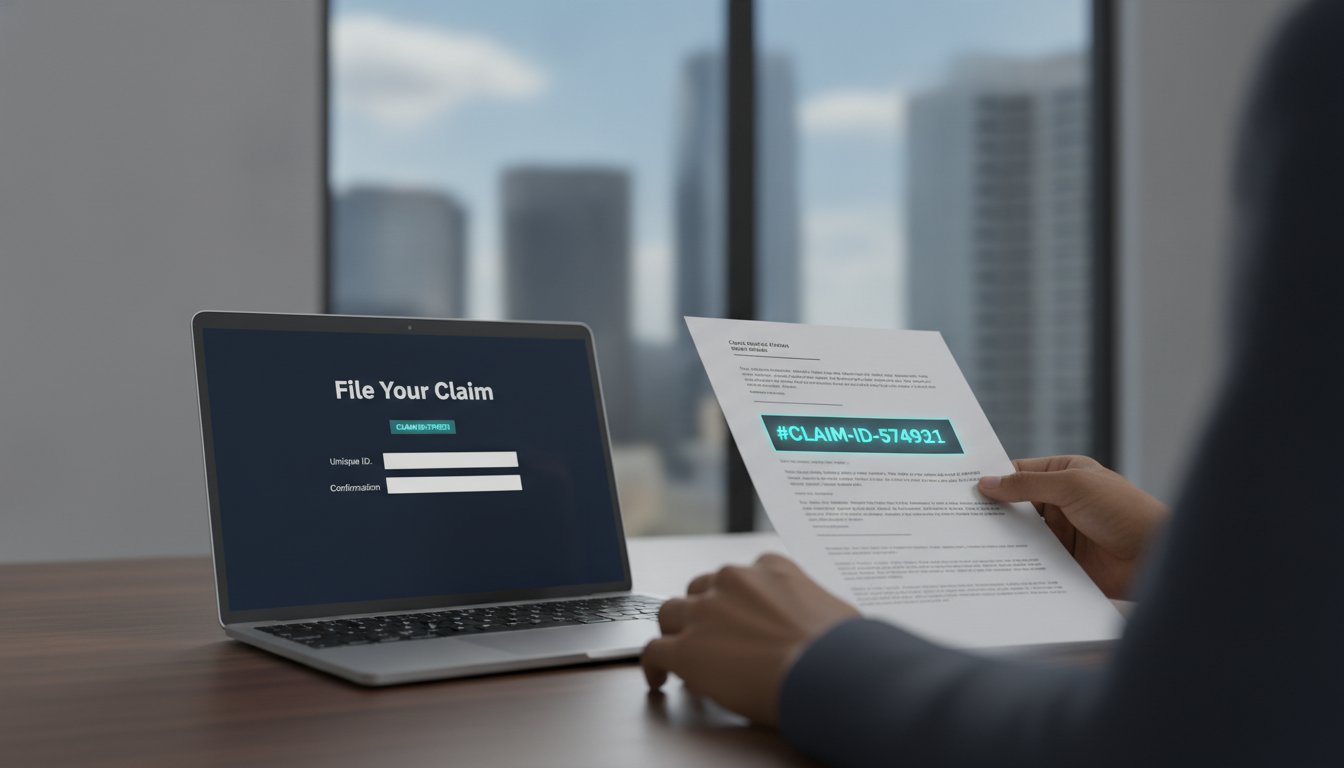
An estimated 96% of funds from a class action lawsuit settlement go unclaimed by eligible members each year. That's billions of dollars left in corporate accounts because the recovery process often feels like a maze of fine print and confusing deadlines. You've likely received a legal notice and wondered if it's worth your time or even a potential scam. It's frustrating to feel like a victim of corporate negligence twice — first by the company, and then by a system that makes claiming your rights feel impossible.
You deserve a straightforward way to reclaim what you're owed. This guide simplifies every step of securing your recovery in 2026. Learn how to confirm your eligibility for major active cases. Navigate the filing requirements with confidence. Move from a state of uncertainty to receiving your check or digital payment.
Key Takeaways
- Confirm your eligibility by reviewing the "Class Definition" in the official Long Form Notice before starting your claim.
- Distinguish between flat-fee and pro-rata distributions to understand why final payout amounts often vary from initial news reports.
- Navigate the settlement process safely by using only court-approved filing portals and your Unique Class Member ID.
- Discover how expert legal advocacy for data breach victims ensures that corporate entities are held accountable through maximized settlement funds.
- Master the five-step filing sequence to ensure your claim is processed efficiently for a digital or paper check payment.
What is a Class Action Lawsuit Settlement?
A class action lawsuit settlement is a court-approved resolution for collective damages. It's a legally binding agreement that resolves a dispute between a large group of people and a defendant. Instead of forcing thousands of individuals to file separate, repetitive trials, this mechanism provides an efficient path to recovery. It ensures that everyone affected by a company's negligence has a chance to secure compensation through a single, streamlined process.
Corporations don't settle these cases because they want to be helpful. They do it to manage risk. A trial is unpredictable, and a jury verdict could result in astronomical penalties far beyond a negotiated amount. By reaching a settlement, the company gains a "Release of Claims." This means that once the deal is finalized, class members can't sue them again for the same issue.
The Role of the Settlement Fund
When a defendant agrees to pay, they create a gross settlement fund. This "pot" of money isn't just for the victims. It must cover several different costs before it reaches your pocket:
- Administrative Costs: The expense of notifying millions of people and managing the claims website.
- Attorney Fees: The legal team's compensation, which is usually a percentage of the total fund.
- Class Member Payouts: The remaining balance divided among those who file valid claims.
A judge must review the entire proposal. They won't sign off unless they believe the distribution is fair, reasonable, and adequate. This oversight is vital because it prevents companies from offering "coupon settlements" that provide little real value to the victims.
Common Types of Settlements in 2026
The landscape of litigation is shifting. In 2025, the 10 largest settlements reached a record $79 billion, and that momentum has carried into 2026. You'll likely encounter three main categories of settlements today. Data breach cases are the most frequent, often involving companies where personal information was exposed. These settlements typically offer cash for your time or reimbursement for identity theft losses.
Consumer product cases are also common. These involve false advertising or defective goods, such as recent multi-billion dollar settlements involving major retailers. Finally, employment collective actions address wage theft or workplace safety. Each type has its own rules for proof, but they all share the same goal: holding large entities accountable for the harm they cause to the public.
How Settlement Payouts are Calculated
Headlines often scream about multi-million dollar wins, but your individual check from a class action lawsuit settlement depends on a specific legal formula. It isn't a random prize. It's a calculation based on the total fund size, administrative costs, and the number of people who actually file a claim.
The "Up to" amount you see in news reports is often the maximum possible payout, not a guarantee. These figures assume a low participation rate. If more people than expected file a claim, the individual amount usually drops. In 2026, research shows that the average individual payout typically ranges from $10 to $1,000, depending on the complexity and scale of the case.
Pro-Rata vs. Per-Capita Distributions
Most settlements use a "pro-rata" distribution. This means you get a proportional piece of the available funds. If the court-approved fund is a fixed amount, your check shrinks as more people join the class. For example, imagine a $10 million fund. After legal fees and administrative costs, $6 million remains for claimants. If 100,000 people file valid claims, they might each receive $60. However, if 1 million people file, that check drops to $6. This "piece of the pie" approach is why final payouts are rarely confirmed until after the filing deadline passes.
Documented Losses and Reimbursement Tiers
Many modern settlements, particularly those involving data breaches or financial negligence, use a tiered system. This structure ensures that those who suffered the most significant harm receive the largest share of the fund. You can often choose which level to claim based on your records:
- Tier 1: A basic, flat-fee payment for all eligible class members regardless of specific losses.
- Tier 2: Compensation for "lost time" spent dealing with the issue, often paid at a set hourly rate.
- Tier 3: Full reimbursement for documented out-of-pocket expenses, such as fraudulent charges, credit monitoring, or legal fees.
In high-stakes data breach cases, Tier 3 claimants can recover thousands of dollars if they provide receipts. If you've received a notice and need to determine your eligibility for these higher tiers, you should seek a legal claim evaluation to maximize your potential recovery. Success requires meticulous record-keeping. Don't wait for a settlement to be announced. Keep every email, bank statement, and receipt related to corporate negligence starting today.
Eligibility: How to Know if You Qualify
Determining your eligibility for a class action lawsuit settlement starts with the "Class Definition." This is the precise legal description of who is included in the case. You can find this in the official Long Form Notice. It usually specifies a "Class Period," which is a range of dates during which the corporate negligence occurred. These dates are non-negotiable. If you purchased a product on January 1, 2024, but the class period ended on December 31, 2023, you aren't eligible.
Notice comes in two forms. Direct notice arrives via email or physical mail because the company has your contact information. Notice by publication happens through social media ads, newspapers, or radio for cases where the defendant doesn't have a direct list of customers. If you believe you qualify but didn't receive a Claim ID, don't panic. Visit the official settlement website and look for a "No Claim ID" option. You can often still file by providing proof of purchase or verifying your identity through the portal.
Class Members vs. Class Representatives
There's a significant difference between being a class member and a class representative. A class representative is the named plaintiff who actually initiated the lawsuit. They work closely with attorneys and may sit for depositions. Because of their active role, they often receive "Service Awards" or incentive awards. Most people are "Passive Class Members." You don't need to attend court or speak to a lawyer. Your only job is to file a valid claim before the deadline to receive your share of the recovery.
The "No Proof of Purchase" Myth
You don't always need a physical receipt to get paid. Many settlements allow for "attestation." This means you sign the claim form under penalty of perjury, swearing that you purchased the product or were affected by the event.
If the settlement does require documentation, you have more options than you think. Common items that serve as valid proof include:
- Credit card or bank statements showing the transaction.
- Loyalty program data or purchase histories from retailer apps.
- The original data breach notification letter you received.
- Serial numbers for electronic devices or VINs for vehicles.
The 5-Step Process to Filing a Claim
Filing for a class action lawsuit settlement is a formal legal action. Your submission must be accurate and timely to survive the verification process. Follow these five steps to ensure you don't leave your compensation on the table.
- Locate the official portal. Scammers often build fake sites to harvest personal data. Always verify that the website is court-approved by checking the official notice you received or cross-referencing with a trusted legal source.
- Enter your Unique Class Member ID. This alphanumeric code is your fastest ticket to approval. If you didn't receive one, you can usually still file by providing your contact information or proof of purchase.
- Select your payment method. Most 2026 settlements offer digital options like PayPal, Venmo, or Zelle alongside traditional paper checks. Digital payments often arrive faster and eliminate the risk of mail theft.
- Submit before the deadline. Legal deadlines are absolute. Late submissions are almost universally rejected.
- Save your confirmation number. Once you hit submit, the system will generate a unique ID. Take a screenshot or print this page. It's your only proof of filing if your payment is delayed or lost.
If your claim is initially denied, the administrator will typically send a "Deficiency Notice." This document explains what is missing, such as a signature or a specific receipt. You usually have a narrow 10 to 20 day window to fix these errors. If you've been notified of a breach but don't see an active portal yet, get a legal claim evaluation to ensure you're positioned for the next steps.
What Happens After You File?
Once you submit, the Settlement Administrator begins the verification phase. They cross-reference your data against the defendant's records to prevent fraud. After the filing deadline passes, the court holds a "Fairness Hearing." During this session, a judge reviews all objections and decides whether to grant final approval. If approved, a 30-day window for appeals begins. Payouts cannot start until this period ends and all legal challenges are resolved.
Payout Timelines: Why It Takes So Long
Expect to wait. Payouts rarely happen immediately. Even after final approval, "professional objectors" may file appeals to delay the process. These individuals often challenge settlements to extract their own fees, which can stall your check for months. In 2026, a typical wait time is 6 to 12 months after the court grants final approval. Patience is a requirement of the process, but your claim confirmation number ensures you remain in the queue for your recovery.
Why Legal Advocacy is Critical for Data Breach Victims
A class action lawsuit settlement is the final stage of a long, technical battle. It doesn't happen by accident. The quality of your recovery depends entirely on the expertise of the attorneys at the negotiating table. When corporations face litigation for a data breach, they hire the most expensive legal teams in the country to minimize their payouts. You need a shield. You need an advocate who understands the complexities of federal privacy laws and isn't afraid to push for maximum accountability.
The Law Office of David S. Harris has been practicing law since 1997. We don't just wait for settlements to appear on a news feed. We handle the complex litigation that creates these funds in the first place. Our goal is to ensure that when a company fails to protect your social security number or financial data, they pay for the full scope of that negligence. We operate on a contingency model — you never pay out-of-pocket fees. We only get paid if we secure a recovery for you.
Starting the Process: The Free Case Review
Many victims receive a data breach notification letter and simply throw it away. This is a costly mistake. That letter is your primary evidence of harm. If you've received a notice from any company, you shouldn't wait for a public website to launch. Early legal intervention is how stronger settlements are built. Professional evaluation helps determine if the company met its legal obligations to protect your data. You can evaluate your legal claim right now to see if your case has the potential to become part of a larger action.
National Representation for National Breaches
Major data breaches don't respect state lines. A leak at a national provider affects people from California to New York. Each state has different privacy regulations and notification requirements. A local firm might lack the resources to manage a multi-district litigation against a Fortune 500 company. Our firm provides national reach for data breach litigation. We understand how to navigate the specific hurdles of federal court to hold these massive entities accountable. If your information has been compromised, don't navigate this alone. Contact the Law Office of David S. Harris for a free consultation.
Secure Your Recovery and Hold Corporations Accountable
Millions of dollars in settlement funds go unclaimed every year because eligible victims don't take the final step. Your path to a successful class action lawsuit settlement requires precision, documentation, and a strict commitment to deadlines. By understanding the class definition and following the structured filing process, you can move from being a victim of corporate negligence to a recipient of legal recovery.
Professional legal advocacy ensures that your rights aren't sidelined by corporate legal teams. The Law Office of David S. Harris has focused on data privacy and consumer rights since 1997. We offer decades of experience in national litigation and operate on a no-win, no-fee model. This means you face no financial risk while pursuing the compensation you're owed.
Frequently Asked Questions
Is a class action lawsuit settlement a scam?
A legitimate class action lawsuit settlement is a court-authorized legal resolution, not a scam. However, bad actors often create fraudulent websites to harvest your personal data. Always verify the settlement by checking the official court-approved administrator site. If a site asks for your bank login or Social Security number before you've even confirmed your eligibility, proceed with extreme caution and cross-reference the case on official court records.
How much money will I actually get from a settlement?
Your final check amount is determined by the total number of valid claims filed and the specific tier you qualify for. While initial news reports provide a maximum possible payout, these figures often decrease if participation is high. You'll receive a pro-rata share of the remaining fund after administrative costs and legal fees are deducted.
Can I sue a company individually if I join a class action settlement?
You cannot sue a company individually for the same issue once you participate in a settlement. By filing a claim, you agree to a "Release of Claims," which legally bars you from pursuing future litigation regarding that specific dispute. If you believe your individual damages are significantly higher than the settlement offer, you must "opt out" by the court's deadline to preserve your right to file a separate lawsuit.
What happens if I miss the deadline to file a claim?
Missing the filing deadline results in a total loss of your right to collect compensation. Courts and administrators rarely grant extensions for late submissions. Once the deadline passes, the remaining funds are typically distributed among the timely claimants or donated to a court-approved charity. Mark your calendar for both the claim deadline and the exclusion deadline to ensure your legal options remain open.
Do I need a lawyer to file a claim for an open settlement?
You don't need to hire a personal lawyer to file a claim for an existing settlement. The process is designed for consumers to handle independently through the administrator's portal. However, if you've received a breach notification but no settlement exists yet, professional legal representation is vital to initiate the litigation. Our firm handles the technical work of building the case so you don't have to.
What is a "Fairness Hearing" and do I need to attend?
A Fairness Hearing is a formal court session where a judge determines if the settlement terms are adequate and fair to all class members. You aren't required to attend this hearing to receive your payment. It's a procedural step where the judge hears arguments from the attorneys and reviews any formal objections. Once the judge signs the Final Approval Order, the distribution process can move toward its effective date.
Why did I receive a settlement check for a case I don't remember?
You might receive a check automatically if the defendant's internal records clearly identified you as an affected customer. In these "automatic payout" cases, the court doesn't require a separate claim form because your eligibility was already verified by company data. Always verify the check's source before depositing it to ensure it's from a legitimate administrator.
How do I update my address for a pending settlement payout?
Update your contact information by reaching out to the specific Settlement Administrator listed on the official notice. Most portals include a "Contact Us" or "Change of Address" section for this purpose. Since payouts often take 6 to 12 months to process, keeping your address current is essential to ensure your payment reaches you without delay.
Think You May Have a Claim?
The Law Office of David S. Harris offers free consultations — no fee unless we win.
Free Consultation
No fee unless we win your case. Licensed in Florida — nationwide cases.
(786) 306-7278Get a Free Case ReviewMore Articles
Data Breach Class Action: A Comprehensive Guide to Your Rights and Recovery
July 19, 2026 · 14 min read
Data Breach Notification Letter Guide: What Your Notice Means and How to Respond in 2026
July 19, 2026 · 12 min read
AT&T Data Breach 2024: What 73 Million Customers Need to Know
April 2, 2024 · 6 min read